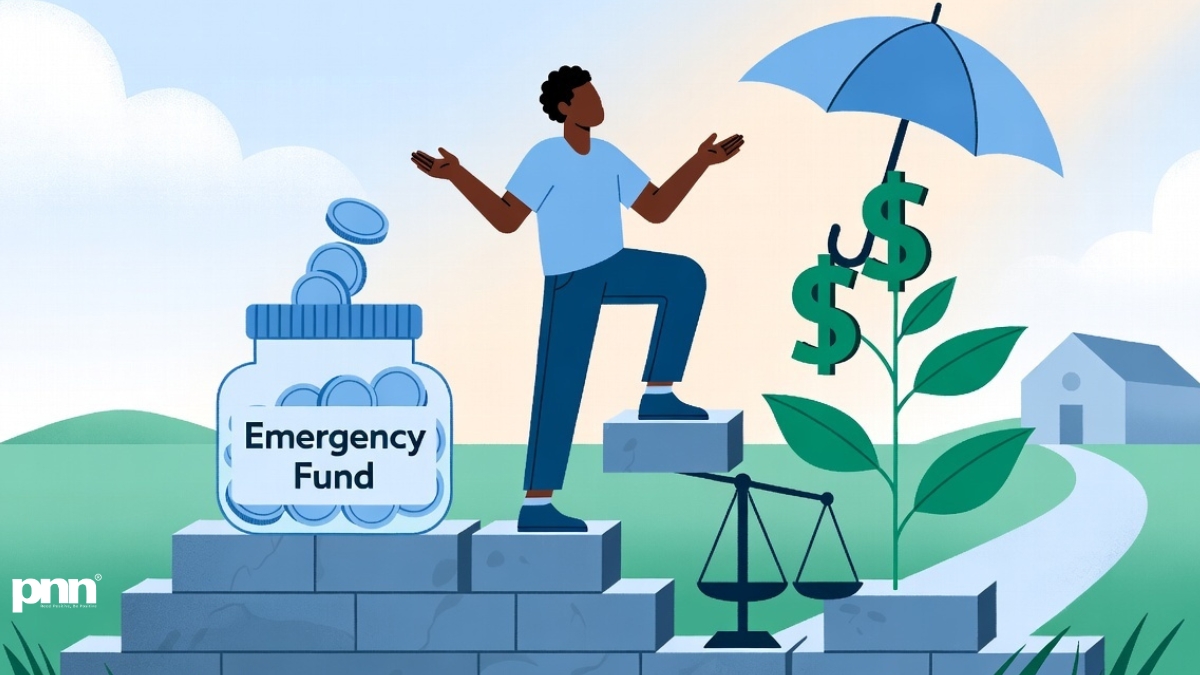
New Delhi [India], July 11: “Budget your money.” We’ve all heard it, right? For beginners, tracking every cup of coffee and subscription is solid advice. But if you’re aiming for real financial stability, you need to go way deeper. You want a life where the weird surprises—job loss, sudden bills, or the economy doing its thing—don’t totally derail you. And honestly, with prices climbing, jobs shifting, and new things to buy every day, relying on a budget alone is like building your house on sand. You need something sturdier.
Money stability is about peace of mind. It means you can handle the storms, still chase after new opportunities, and finally get to a place where you’re not stressed out all the time about cash. So, let’s get practical—here are some steps that actually move the needle, way beyond just a monthly spreadsheet.
1. Build a Real Emergency Fund
A budget helps you live within your means, but emergencies don’t care about your spreadsheet. Those random hits—layoffs, health scares, your car dying—tend to show up at the worst moment. So, stash away three to six months of expenses in a high-yield savings account. Start small if you have to, maybe 5000 rupees every paycheck, on autopilot. Treat it like a non-negotiable bill. Don’t “borrow” from it just because you want to splurge. I once watched a friend empty his fund for a dream vacation, and bam—car disaster two months later. He regretted it. This fund is for real emergencies, not a new TV.
Pro tip: Take a few minutes to look for banks with better savings rates. It all adds up.
2. Attack Debt With a Plan
High-interest debt, especially credit cards, quietly destroys your wealth. Sure, paying the minimum means you’re not in trouble—yet. But if you want to get ahead, try focused strategies. The debt avalanche saves you the most on interest by killing your most expensive debts first. The debt snowball wipes out smaller debts for quick wins and motivation. Pick the one you’ll stick with. If you can refinance (like student loans or your mortgage), do it—freeing up hundreds every month is a game changer.
It’s about changing your mindset with debt, too. Ask yourself, “Is this new debt making my life better in the long run, or just keeping up?” When you pay it off, you get your future money back instead of handing it over to a bank in the form of interest.
3. Find New Ways to Earn
Counting on just one paycheck is risky these days. If you want real financial stability, build more income streams.
Start a side hustle: Maybe you tutor, freelance online, or sell crafts. There are a hundred options.
Build passive income: Look into dividend stocks, rental income, or digital products. You don’t have to go big on day one.
Invest in yourself: Learn new skills people need—coding, design, whatever fits your interests. I knew a guy who taught himself basic coding during his evenings and suddenly snagged consulting gigs that upped his income by a third. Not bad.
Don’t overdo it, though. Try one thing until it works, then consider adding more. You want extra income, not a nervous breakdown.
4. Start Investing—Even if It’s Small
Let’s say you’ve built that emergency fund and you’re tackling your debt. Now start putting money to work for your future. This is where your wealth starts to grow. Go for something simple like low-fee index funds or ETFs—they cover a broad market, don’t require constant attention, and, historically, they beat most “fancy” strategies. Set up monthly automatic contributions, regardless of what the stock market’s doing. Slow and steady wins over time.
Match your strategy to your age and comfort level. If you’ve got years ahead of you, take some risk. Closer to retirement? Dial it down. There’s no magic shortcut, so don’t get distracted by get-rich-quick promises. And if you’re curious, check out “The Simple Path to Wealth” by JL Collins for a straightforward guide.
Remember, it’s not about timing the market. Just spending time in the market wins.
5. Protect What You’ve Built
Nobody wants to talk about insurance, but if you skip this, a single accident can wipe you out. Make sure your coverage is up to date—health insurance, life insurance (especially if people depend on you), disability, renters or home, and auto. Check your policies every year because prices and your life change. Loyalty to one insurance company doesn’t usually save you money.
6. Keep Improving Your Money Skills and Habits
Being financially stable is as much in your head as it is on your bank statement.
Look at your net worth every few months—don’t obsess daily. That’s where the big wins show up.
Find a financial advisor or mentor you trust when things get complicated (like taxes or estate planning).
Review your plan every year. Life changes, and your finances need to, too.
Practice contentment. Avoid lifestyle inflation after every raise, and celebrate your progress without blowing your budget.
Momentum Checklist:
- Emergency fund: at least three months saved
- Debt plan active: avalanche or snowball
- Retirement savings growing
- One side income in motion
- Insurance reviewed this year
Big Picture
Creating financial stability isn’t about budgeting perfectly. It’s a long-term process involving smart choices, adapting when things change, and thinking ahead. What do you get? Freedom—to focus on people and experiences instead of constant stress about bills.
You don’t have to be perfect, and you don’t have to start big. Each step builds on itself—like interest in a savings account. Whether it’s a chat with your bank, reading a good book, or finally canceling that old subscription, it all counts. Over the years, this stuff adds up to genuine security and a life with room for the good stuff, not just the basics.
So take one step today. You’re building something real.
About the Author